Inventory Intake & Availability
Receive factory cartons, record SKU quantities and flag damaged or missing stock before sellable inventory is opened for order release.
SKU LevelPreparing your shipment...
FulfillCN receives inventory in Shenzhen, checks it at SKU level, picks and packs each order to your packing rules, then matches parcels with the right international route. Your team gets one workflow from supplier cartons to customer tracking.
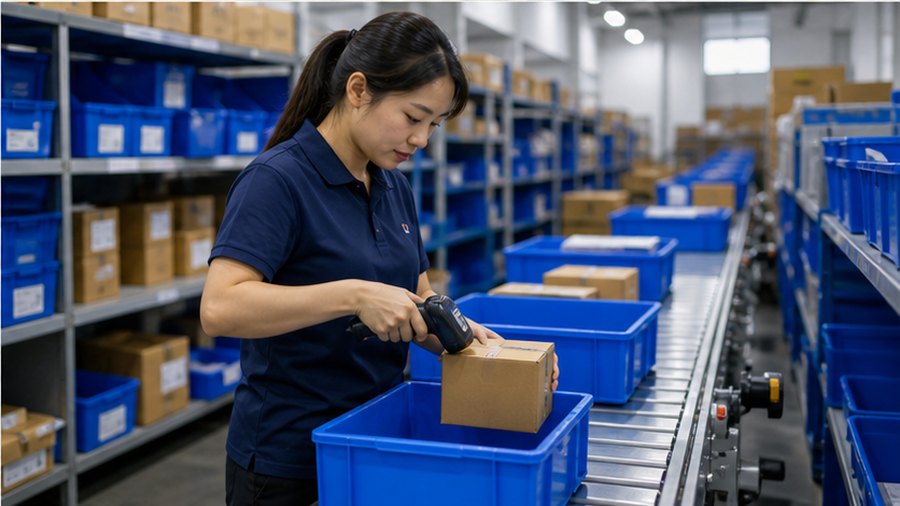
Every order follows the same control points: confirm stock, pick the right variant, apply packing rules, check the finished parcel and release it with a tracked route.
Receive factory cartons, record SKU quantities and flag damaged or missing stock before sellable inventory is opened for order release.
SKU LevelWork from order files or platform exports, with SKU, destination, packing method, inserts and shipping preference organized before picking starts.
Clear RulesPick by SKU and variant, then pack according to product protection, channel requirements, insert rules and destination market.
Order AccuracyAdd branded mailers, cards, stickers, samples, bundles or replacement parts where those materials and instructions are provided.
Brand ExperienceCheck the packed contents against the order, apply the shipping label and confirm address, weight and carton condition before dispatch.
Before DispatchMatch each parcel to express, air, sea or DDP options based on destination, delivery promise, product type and landed cost, then provide tracking.
Global Delivery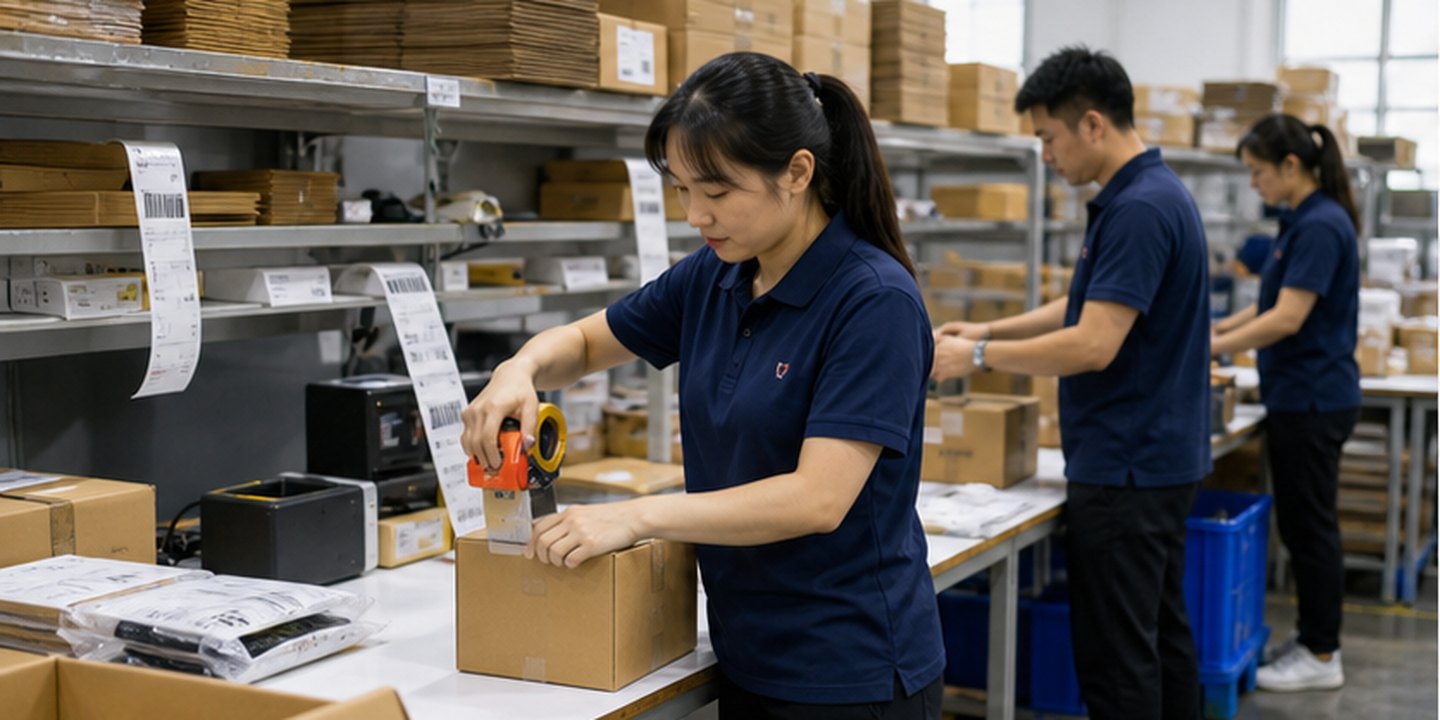
Because stock control, packing and shipping handoff share one Shenzhen operation, order status stays connected to what is actually available on the shelf.
Request a Virtual TourEach step produces something usable: available inventory, a packed order, a checked label or a dispatch record your team can share.
Send order files or platform exports, SKU details, packaging requirements, inserts and destination groups so the fulfillment desk has one instruction set.
Check received goods against the SKU list, record carton and unit counts, and separate sellable stock from damaged or missing-stock exceptions.
Keep variants, bundles, spare parts and packing materials identifiable. Stock can also be grouped by store, marketplace or destination market.
Prepare the picking list from approved orders, then pull the exact SKU, quantity and bundle components before packing begins.
Pack for product protection and channel rules, add approved inserts, attach labels and check contents, address and parcel weight.
Release parcels through the selected express, air, sea or DDP route and share tracking so your team can keep customers updated.
Most fulfillment complaints start with the small details: wrong variants, missing inserts, weak packing, bad addresses or unclear tracking. These checks catch them before dispatch.
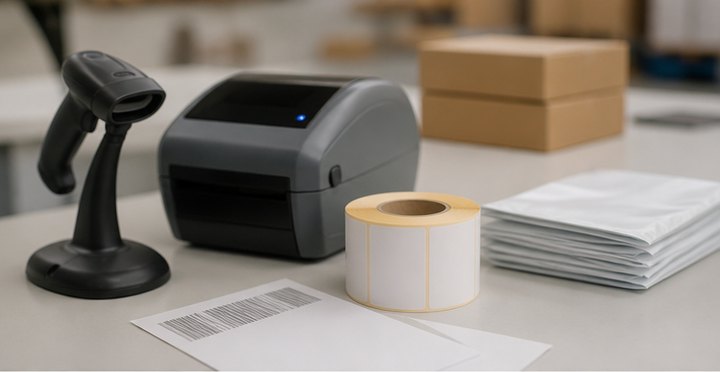
Every parcel starts with a controlled comparison between the order line and the picked SKU, quantity and variant before packing is closed.
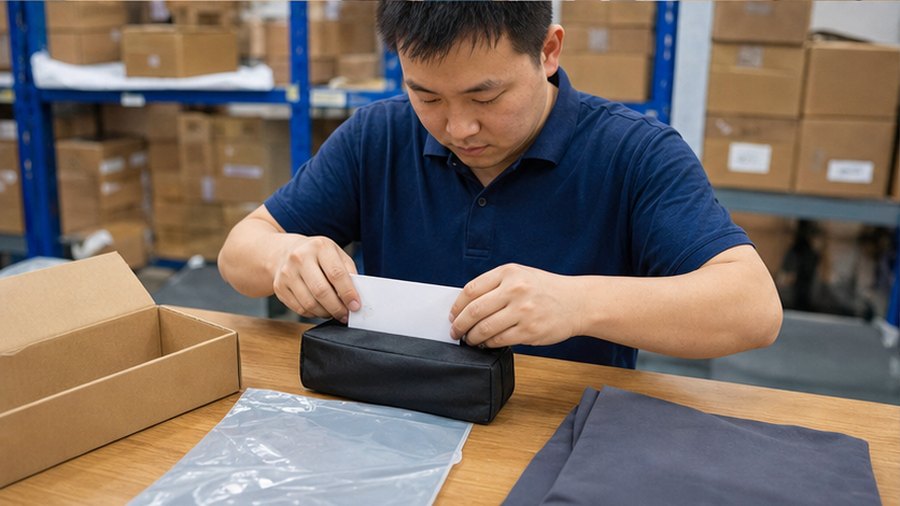
Apply product protection, branded materials, inserts, bundle instructions and marketplace packaging requirements consistently across batches.
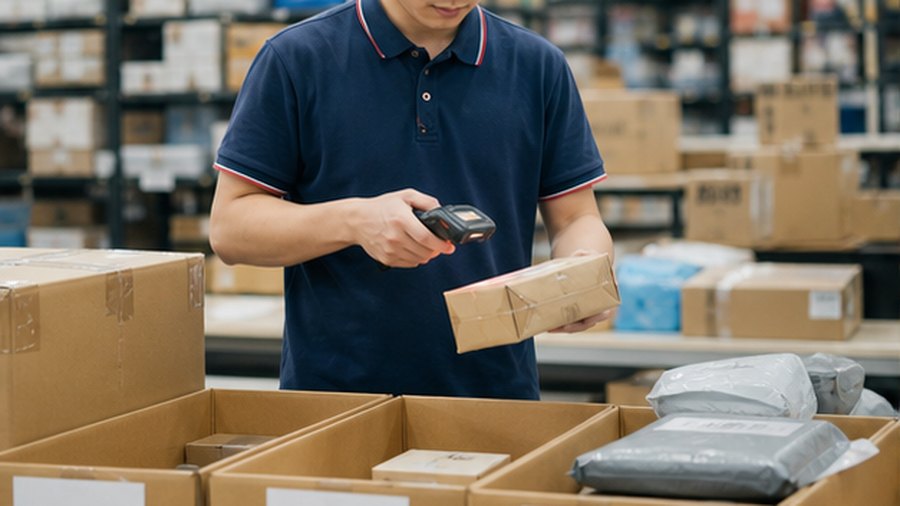
Sort approved parcels by destination and route, hand them to the matched carrier option and provide tracking data for customer communication.
Inventory intake, order preparation and international dispatch share one operating standard across global ecommerce brands.
Yes. Orders can be separated by store, marketplace, SKU group, bundle type or destination market, with packing rules kept distinct for each flow.
Yes. Branded mailers, cards, stickers, inserts, samples and bundled materials can be used when you provide the materials and packing instructions.
Damaged, missing or mismatched items are separated from sellable stock and reported with the relevant order or SKU details before dispatch.
Orders can be matched with express, air, sea or DDP routes based on destination, delivery promise, product profile and landed-cost target.
Yes. The workflow covers direct-to-consumer parcels, marketplace orders and store-specific packing rules, with each batch kept separately.
Dispatch records and carrier tracking information are returned after parcels are released, so your team can update customers and handle exceptions quickly.
Tell us your SKU types, order volume and destination markets. We will reply within 24 hours.