Shopify
Move DTC orders, SKU variants and delivery details into FulfillCN, then return tracking information after parcels are dispatched.
Storefront OrdersPreparing your shipment...
FulfillCN connects your selling channels and warehouse operations so orders, SKU details and tracking updates travel through one controlled workflow. The result is less copying, fewer fulfillment errors and a clearer picture from checkout to dispatch.

We start with your current platform, order volume and data fields, then choose the cleanest route into our warehouse workflow. Direct platform connections, automated imports and custom API handoffs are all evaluated against the same operational standard.
Move DTC orders, SKU variants and delivery details into FulfillCN, then return tracking information after parcels are dispatched.
Storefront OrdersRoute WordPress and WooCommerce orders into a consistent pick, pack and dispatch queue without rebuilding your store workflow.
WordPress CommerceSupport growing Wix stores with cleaner order intake, packaging rules and shipment confirmation to the customer account.
Site BuilderOrganize marketplace orders with careful SKU matching, protective packing and tracking updates suited to handmade and craft goods.
MarketplaceConnect Squarespace commerce orders to our receiving and fulfillment routine, with shipping data returned to the store.
Brand StoreFor ERPs, WMS platforms or internal order centers, we scope a structured data handoff for order import, status flow and tracking return.
Scoped Build
Once channel orders enter the fulfillment queue, warehouse teams work from the same SKU, packing and service information. Tracking is returned after dispatch, so your team can answer customer questions without chasing spreadsheets.
Request an Integration ReviewIntegration is not just a data pipe. Each step has an owner, a validation point and a defined result before work moves to the next stage.
We review your platform, order fields, SKU structure, packing notes, volume and destination mix. You get a simple integration plan with responsibilities on both sides.
We align product names, variants, barcodes, weights, dimensions and packing rules so the warehouse can identify every sellable unit before launch.
Orders are brought into the workflow by the method best suited to your platform or custom system. Address, item, quantity and service data are checked before picking.
Packing standards, inserts, sorting rules, shipping services and destination restrictions are documented so daily execution stays consistent.
Parcels are packed, labeled and dispatched. Tracking numbers and carrier details are recorded against the order as soon as they are available.
Shipment updates are returned to your store or internal system according to the agreed cadence and field format, closing the order loop.
Most automation problems appear at the warehouse: unclear variants, missing SKUs, inconsistent addresses and packing rules. Our integration review is designed to catch those issues before orders start.
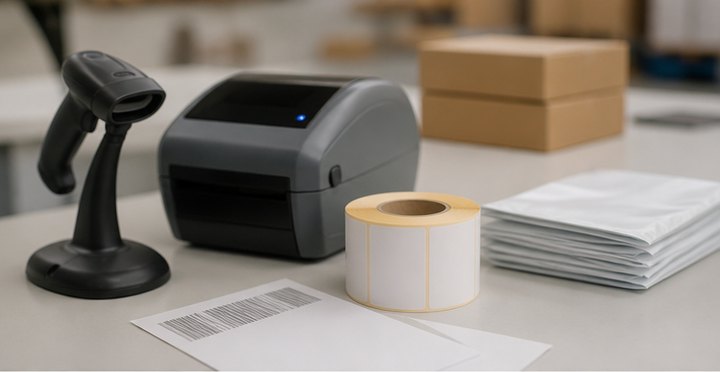
Order lines are matched to warehouse SKUs before picking. Missing details, duplicate records and unclear variants are raised before they become shipment errors.

Product-level packing standards, insert requirements, shipping services and destination rules are kept in one execution checklist for daily operations.
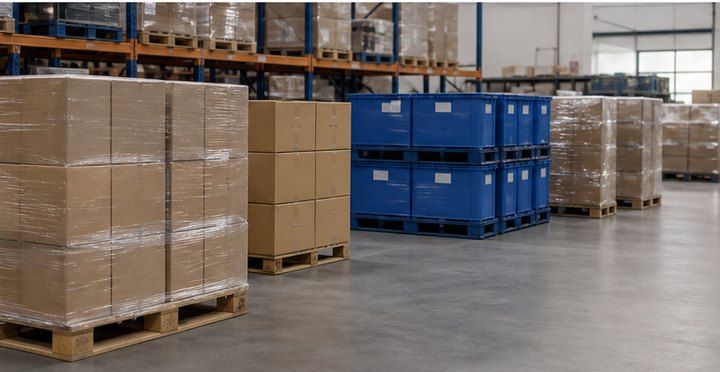
Dispatch records, carrier codes and tracking numbers are organized for return to your storefront or internal reporting workflow.
Storefronts, warehouse execution and international shipping share one operating standard across hundreds of global ecommerce brands.
Our current workflow supports Shopify, WooCommerce, Wix, Etsy and Squarespace, plus custom order-import workflows. We confirm the best method after reviewing your store setup and data fields.
No. Some channels can use an established connection or import flow. A custom workflow is recommended only when your ERP, WMS or internal system needs more controlled data exchange.
Platform access or export files, product variants, SKU codes, weights, dimensions, packaging notes and typical monthly volume help us build a practical onboarding plan.
Yes. We agree on the operational status, reporting format and tracking return method during onboarding, so both the warehouse and your team work from the same order picture.
Invalid addresses, unmatched SKUs, special packing requests and carrier restrictions are checked before dispatch. Exceptions are documented and sent to your team with a recommended action.
Simple store connections are usually faster than custom builds. After we review platform fields, SKU count and packing requirements, we provide a schedule based on the actual scope.
Tell us your platform, monthly order volume and SKU structure. We will reply within 24 hours with the next integration step.